
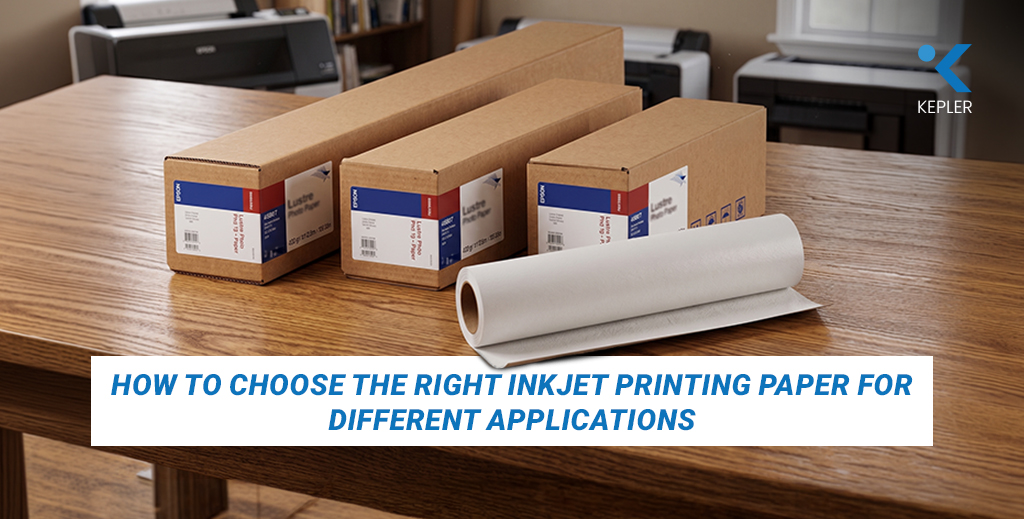
How to Choose the Right Inkjet Printing Paper for Different Applications
Before we dive into finishes, coatings, and technical specifications, let’s start with a quick thought: Have you ever printed something that looked perfect on screen—but turned out dull or lifeless on paper? If yes, you’re not alone. Many professionals from photographers and designers to architects and students—face this exact issue. Despite using high-end printers and premium inks, the final output often falls short. Colors appear muted, prints may show bronzing under light, and in some cases, the paper itself fails to last over time. Here’s the truth: paper choice is the hidden factor behind professional-quality prints. Using the wrong inkjet printing paper doesn’t just affect quality—it leads to: On the other hand, choosing the right paper for the right application can dramatically improve output while saving both time and money. This is especially important when sourcing from trusted printing paper suppliers, as consistency in paper quality directly impacts your results. Whether you’re running a print shop, working on client projects, or simply printing for personal use, this guide will help you understand how to match the right inkjet printing paper to your needs. Now, let’s break it down step by step. Inkjet Printing Paper Basics You Must Know Before selecting the right paper, it’s important to understand what makes inkjet printing paper fundamentally different from standard copy paper. Unlike regular office paper, inkjet printing paper is engineered with specialized coatings that control ink absorption. This ensures that ink stays on the surface rather than spreading uncontrollably, resulting in sharper images, better color accuracy, and faster drying times. Copy paper, on the other hand, is designed for text printing. It absorbs ink unevenly, which often leads to faded colors and blurred edges. This is why even the best printers cannot deliver optimal results without the right paper. To make an informed choice, you need to understand a few key specifications. Key specifications at a glance: First comes GSM (grams per square meter), which indicates the thickness and weight of the paper. Lighter papers around 70–100 GSM are suitable for everyday use, while heavier papers above 200 GSM are ideal for professional prints such as photos and presentations. The higher the GSM, the more premium and durable the output feels. Next is coating. Inkjet papers typically come with microporous or swellable coatings. Microporous coatings allow faster drying and sharper detail, making them ideal for high-volume printing. Swellable coatings, while slower to dry, offer better resistance to environmental factors and improved longevity. Cast-coated papers, often used in glossy finishes, provide high shine and vibrant output. Many premium options in the market, such as epson inkjet paper, are designed with advanced coating technologies to ensure consistent ink absorption and high-quality output across different applications. Brightness and optical brightening agents also play a role. Brighter papers enhance color vibrancy, but excessive OBAs may reduce archival quality over time. This is particularly important for prints meant to last for years. Finally, surface finish defines the visual appearance of your print. Glossy surfaces enhance color depth, luster finishes reduce glare, matte surfaces provide a soft professional look, and textured papers add an artistic touch. Sourcing from reliable printer consumables suppliers ensures consistency in these specifications. Poor-quality or counterfeit paper can lead to batch variations, color inconsistencies, and even printer damage. Paper Types by Surface and Best Applications Now that you understand the basics, let’s explore different paper types and where they work best. Glossy photo paper is one of the most widely used types of inkjet printing paper. It produces vibrant colors and deep contrasts, making it ideal for: However, its reflective surface can cause glare under strong lighting, which may not suit all applications. Luster or satin paper offers a balance between glossy and matte finishes. It provides rich color output while reducing reflections and fingerprints. This makes it a preferred choice for professional photographers, especially for: When it comes to versatility, matte paper stands out. It has a non-reflective surface, making it ideal for: Unlike glossy paper, it can be written on, which adds to its usability in professional settings. Fine art papers take quality a step further. These papers are typically made from cotton rag or alpha cellulose and are designed for archival purposes. They offer exceptional longevity and are often used for: Premium ranges like Innova Papers are widely recognized for their consistency and archival standards. Canvas media introduces a completely different aesthetic. With its textured fabric-like surface, canvas is ideal for: For everyday professional printing, options like korejet inkjet paper are often used due to their balance between quality, consistency, and cost-effectiveness across various applications. Each type of inkjet printing paper serves a specific purpose, and understanding these differences allows you to select the right one based on your output goals. Choosing Paper by Application: Complete Guide Choosing the right inkjet printing paper becomes much easier when you focus on the application rather than just the specifications. For photography, the choice depends on the type of work. Wedding and portrait photography often benefits from luster or satin finishes due to their professional look and resistance to fingerprints. Landscape photography, on the other hand, can benefit from glossy paper for its vibrant color reproduction. Fine art photography leans toward matte or cotton rag papers for a more natural and timeless appearance. Depending on the application, many professionals choose specific brands like epson inkjet paper for consistent output in standard workflows, especially in environments where reliability is critical. For graphic design and proofs, accuracy is more important than aesthetics. Designers often use specialized proofing papers that align with color standards such as FOGRA or GRACoL. Fine art reproduction requires papers that can last for decades without fading. Cotton rag papers with low or no OBA content are ideal for this purpose. For CAD drawings and posters, cost and efficiency play a bigger role. Matte presentation papers and bond papers are commonly used because they provide sufficient clarity without increasing printing costs. Exhibitions and gallery displays introduce another factor—lighting. Glossy prints may look stunning
How to Choose the Right Inkjet Printing Paper for Different Applications Read Post »