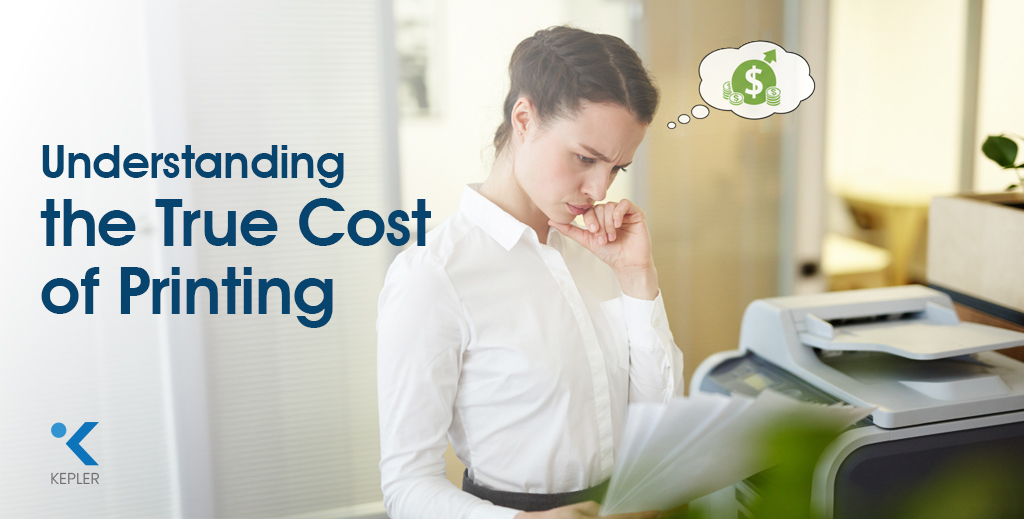
Printing Costs Are More Than Just Paper and Ink
For many businesses, office printers are considered routine tools essential for daily operations but often overlooked in terms of their total cost. Most organizations focus only on the upfront price of the printer and the paper used. However, this limited perspective masks a much larger financial reality. Printing expenses extend far beyond hardware and consumables. From energy consumption and IT support to productivity losses and security risks, poorly managed printing environments can quietly drain business resources.
Understanding the true cost of office printing is the first step toward smarter, more cost-effective printing decisions. By gaining insight into all aspects of printing expenses, businesses can implement strategies that reduce waste, improve efficiency, and ultimately save money.
Direct Costs of Printing: The Visible Expenses
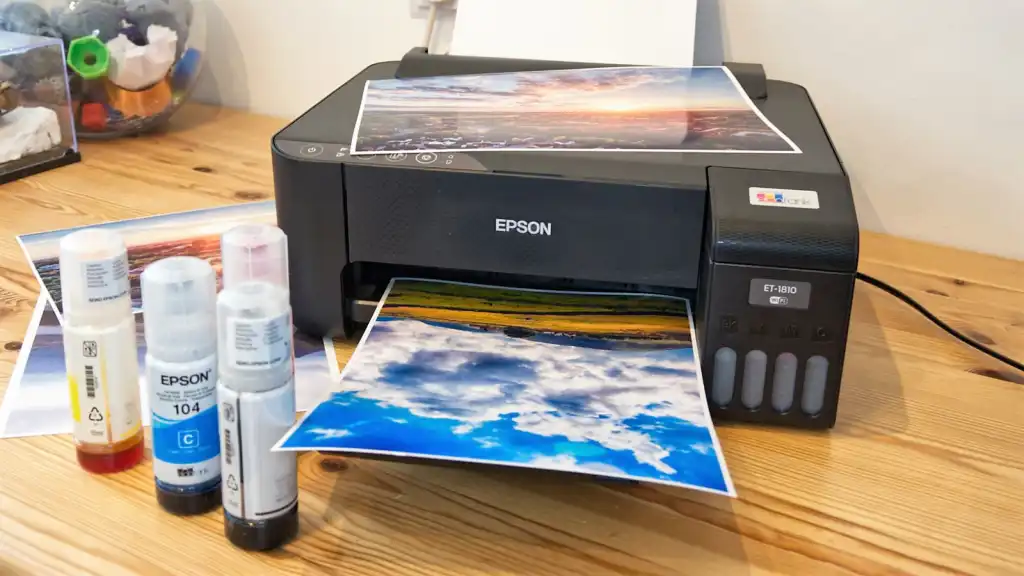
Direct costs are the most apparent printing-related expenses and the ones most organizations consider first. These include the price of hardware, Printer ink cartridges, and paper.
Hardware Costs: Buying or Leasing Printers
The initial cost of acquiring office printers is often underestimated. Whether you choose to purchase equipment outright or opt for a printer leasing service, printers represent a significant investment, especially for offices operating multiple devices or relying on high-capacity machines for daily business needs.
- Entry-level printers may be affordable initially, but often become costly to operate due to frequent consumable replacements and limited scalability.
- Enterprise printers deliver higher efficiency, faster output, and better durability, but they come with higher upfront acquisition costs.
- Leasing spreads costs over time and reduces capital expenditure, but a printer leasing service may include bundled agreements such as maintenance, upgrades, and usage-based billing, which add to recurring operational expenses.
Choosing the wrong printer model or an unsuitable leasing plan for your workload often results in higher long-term costs, underlining the importance of aligning printer leasing service options with actual business printing requirements.
Ink and Toner Costs: The Biggest Ongoing Expense
Printer cartridges are among the largest contributors to office printing costs. A printer may seem inexpensive initially, but it could rely on high-cost consumables with low page yields.
Factors that increase ink and toner costs include:
- Frequent cartridge replacements
- Use of non-original or low-quality supplies leads to inefficiency
- Color printing where black-and-white would suffice
Over time, Printer cartridges can cost several times more than the printer itself, making them a critical component in cost analysis.
Paper Costs: Not All Paper is Equal
Paper may seem inexpensive, but volume printing adds up quickly. Different types of paper affect the overall cost:
- Standard A4 office paper
- Heavyweight or specialty paper
- Photo or coated paper
Beyond purchase costs, paper waste from misprints significantly increases spending. Optimizing paper choice and usage policies can make a noticeable difference in total printing expenses.
Indirect Costs of Printing: The Silent Budget Killers
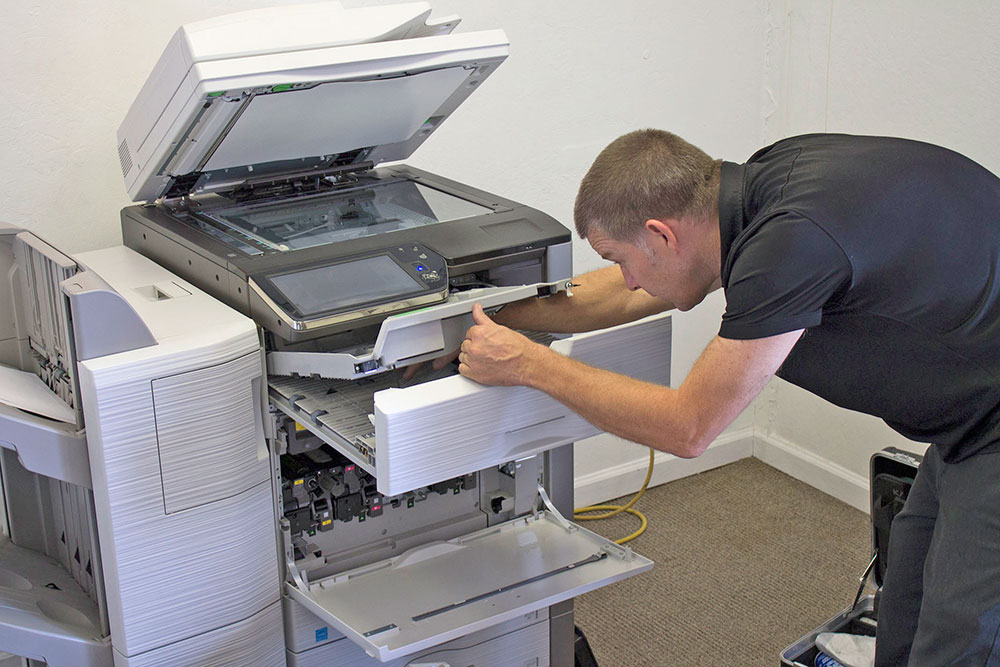
Indirect costs are often less visible but may have a larger financial impact than direct costs. These include maintenance, energy, IT support, and productivity losses.
Maintenance and Printer Repair Service Costs
Printers require routine servicing, replacement parts, and occasional repairs. As devices age, maintenance costs rise, especially when multiple brands and models are used across an office.
Unexpected downtime often leads to emergency printer repair service, which is usually more expensive than proactive maintenance. Managed services like managed print service can streamline maintenance, reducing both costs and disruptions.
Energy Consumption Costs
Even when idle, printers consume electricity. High-volume devices, especially older models, draw substantial power during warm-up, printing, and standby modes.
When multiplied across several office printers operating daily, energy costs become a significant part of overhead. Energy-efficient models and optimized usage schedules can reduce consumption, improving sustainability while cutting costs.
IT Support Costs
Printer-related issues account for a significant portion of IT helpdesk tickets in many organizations. Common problems include:
- Driver issues
- Network connectivity problems
- Printer configuration errors
Each support request consumes IT time, increasing labor costs and diverting resources from strategic initiatives. Leveraging a managed print service can reduce the number of IT interventions needed and streamline printer management.
Productivity Loss
When printers fail, employees wait. Waiting for print jobs, clearing jams, reprinting documents, or walking to another floor to find a working printer translates into lost productive hours.
Even small delays, repeated daily, accumulate over time, resulting in substantial financial losses. Strategic placement of printers, preventive maintenance, and policies to minimize downtime can help recapture lost productivity.
Hidden Costs of Printing: What Most Businesses Miss

Hidden printing costs are not always reflected in accounting reports, but have real financial consequences.
Waste and Misprints
Printing errors are common:
- Incorrect settings
- Wrong paper size
- Forgotten drafts
Every wasted page incurs a cost in Printer cartridges, paper, and time. Without proper controls, waste can account for a significant portion of total print output.
Storage and Document Handling Costs
Printed documents require physical infrastructure:
- Filing cabinets
- Storage rooms
- Archiving systems
Physical storage consumes office space, increases administrative effort, and adds long-term costs—especially for businesses handling large volumes of paperwork. Digital alternatives, discussed below, can reduce these hidden costs dramatically.
Security and Compliance Risks
Unsecured printing can expose sensitive information. Documents left unattended on office printers pose data leakage risks, potentially leading to:
- Compliance violations
- Legal penalties
- Reputational damage
The cost of a single data breach often far exceeds the cost of implementing secure printing controls, including secure print release or managed print service policies.
Ways to Reduce Your Printing Costs Effectively

Understanding printing costs is only the first step. The next phase is optimization.
Optimize Printing Settings
Small adjustments can produce significant savings:
- Default to duplex (double-sided) printing
- Use black-and-white printing where possible
- Enable draft mode for internal documents
These changes alone can reduce paper and Printer cartridge usage, cutting direct costs substantially.
Use Managed Print Services (MPS)
Managed print service solutions help businesses gain full visibility and control over their entire printing environment. Benefits include:
- Monitoring printer usage and optimizing workflows
- Proactive maintenance and printer repair service management
- Identification and replacement of inefficient devices
MPS reduces waste, downtime, and unpredictable expenses while improving overall office printing efficiency.
Implement Print Policies
Clear print policies define how employees use office printers. Examples include:
- Restricting color printing
- Setting print quotas
- Enforcing secure print release
Policies promote accountability and reduce unnecessary printing, directly impacting both direct and hidden costs.
Consider Digital Alternatives
Many documents no longer need to be printed at all. Moving toward digital workflows reduces costs and improves operational efficiency:
- Digital invoicing and approvals
- Cloud document storage
- Electronic signatures
Adopting a paperless office strategy significantly lowers long-term printing expenses, freeing up both space and resources.
FAQs Related to Printing Cost
What is the true cost of printing in an office?
The true cost includes hardware, consumables, maintenance, energy, IT support, productivity loss, waste, and security risks, not just paper and ink.
Why is printing more expensive than it appears?
Many costs are indirect or hidden, such as downtime, misprints, and support overhead, which are not immediately visible.
How can businesses calculate their printing costs?
By tracking printer usage, consumable consumption, maintenance expenses, IT involvement, and employee time spent dealing with print issues.
Can managed print services really save money?
Yes. Businesses often reduce printing costs by 20–30% by consolidating devices, controlling usage, and optimizing workflows.
Is replacing printers a good way to reduce costs?
Replacing inefficient or outdated printers with modern, energy-efficient models often lowers running and maintenance costs significantly.
Conclusion
Printing is a necessary function for most businesses, but it doesn’t have to be a financial burden. By looking beyond upfront costs and understanding the full spectrum of expenses—direct, indirect, and hidden organizations can make smarter decisions and optimize their printing environment.
Integrating solutions such as managed print services, proactive printer repair services, and monitoring printer cartridge usage can transform printing from an unmanaged cost center into a strategic, cost-controlled operation.
With proper strategies and insights, businesses can ensure that their office printers deliver efficiency, reliability, and cost savings. Kepler Tech LLC, one of the leading printer suppliers in Dubai and across the UAE, can help businesses implement these best practices for smarter, more sustainable printing solutions.
Looking to reduce your office printing costs and gain better control over your printing infrastructure? Contact Kepler Tech LLC today to discover tailored printing solutions designed to enhance efficiency, reduce waste, and support your business growth.