In today’s digital-first economy, business data has become one of the most valuable assets for organizations. From financial records and customer information to operational reports and supply chain data, companies rely heavily on digital systems to manage and protect their critical information. However, as businesses expand their digital operations, the risk of cyber threats, data breaches, and unauthorized access continues to grow.
Across the UAE’s fast-evolving business landscape, organizations are increasingly aware that data security is no longer optional; it is a strategic necessity. Governments are strengthening data protection regulations, while businesses are investing in advanced technologies to safeguard sensitive information and maintain operational continuity.
This is where ERPNext emerges as a powerful and reliable solution. As a modern business software platform, ERPNext integrates multiple business functions into a single system while offering robust security mechanisms that help organizations protect their most valuable digital assets.
But how exactly does ERPNext transform data risks into smart security strategies for businesses?
Let’s explore the challenges companies face today and discover how ERPNext provides a secure, scalable, and intelligent approach to data protection.
Understanding Data Risks in the Modern Business Landscape
Before exploring the security advantages of ERPNext, it is important to understand the data risks businesses commonly face today.
Growing Cybersecurity Threats
Digital transformation has brought enormous opportunities, but it has also increased the exposure of businesses to cyber risks. Companies frequently face threats such as:
- Phishing attacks
- Malware and ransomware
- Unauthorized system access
- Data theft and corporate espionage
- Insider threats and employee misuse
For organizations managing large volumes of data, even a single vulnerability can lead to serious consequences.
Impact of Data Breaches on Businesses
A data breach can affect a company in several ways:
Financial Losses
Organizations may suffer financial damages due to system downtime, recovery costs, legal penalties, or operational disruptions.
Reputation Damage
Customer trust is difficult to build but easy to lose. Data leaks or security incidents can significantly harm a company’s credibility.
Operational Disruption
When systems become compromised, businesses may struggle to maintain daily operations, affecting productivity and decision-making.
Regulatory and Compliance Requirements
As digital ecosystems grow, governments are implementing stricter data protection and cybersecurity regulations to ensure responsible data management.
Businesses must maintain:
- Secure storage of customer data
- Proper data access controls
- Transparent reporting and compliance practices
- Reliable system monitoring and auditing
Failing to meet these requirements can result in regulatory penalties and operational risks.
This is why companies are increasingly adopting advanced business solutions that combine operational management with strong security frameworks.
And this is exactly where ERPNext stands out.
ERPNext Security Features That Protect Business Data

ERPNext is designed not only as a powerful business software platform but also as a secure environment that protects sensitive data across departments.
Let’s explore the key security features that make ERPNext a reliable system for modern organizations.
Role-Based Access Control
One of the most important aspects of data security is controlling who can access specific information within an organization.
ERPNext uses Role-Based Access Control (RBAC) to ensure that employees only access the data relevant to their responsibilities.
For example:
- Finance teams can access financial reports
- HR departments manage employee data
- Sales teams view customer records and sales data
This structured access control ensures that sensitive data remains protected while employees continue working efficiently.
By limiting access permissions, businesses significantly reduce the risk of unauthorized data exposure or misuse.
Advanced Data Encryption
Encryption is a fundamental component of modern data protection.
ERPNext protects business data using secure encryption protocols, ensuring that sensitive information remains protected during storage and data transfer.
Encryption safeguards critical data such as:
- Financial transactions
- Customer records
- Employee information
- Business communications
Even if unauthorized access occurs, encrypted data remains unreadable without the correct credentials.
This makes ERPNext a strong defense against cyber threats targeting business systems.
Comprehensive Audit Trails
Transparency and accountability are essential for maintaining secure systems.
ERPNext provides detailed audit trails, allowing organizations to track every transaction and system activity.
Audit logs record:
- User login activity
- Data modifications
- Document approvals
- System updates
- Access changes
These logs allow businesses to monitor activities in real time and quickly identify unusual behavior.
If a security issue occurs, audit trails make it easier to trace the source and respond quickly.
Two-Factor Authentication
ERPNext supports Two-Factor Authentication (2FA) to add a layer of protection for user accounts.
With 2FA enabled, users must verify their identity using a secondary authentication method, such as:
- Mobile authentication apps
- Email verification codes
- Security tokens
This extra security step greatly reduces the chances of unauthorized system access.
Data Backup and Recovery Systems
Data loss can occur due to cyberattacks, hardware failures, or human error.
ERPNext includes reliable data backup and recovery mechanisms that ensure business continuity.
Regular backups allow organizations to:
- Restore data quickly
- Minimize downtime
- Prevent permanent data loss
- Maintain operational stability
A strong backup strategy is a critical component of smart security planning.
Secure Cloud and On-Premise Deployment
ERPNext offers flexible deployment options that enhance data security.
Businesses can choose:
- Cloud-based deployment
- On-premise infrastructure
- Hybrid environments
This flexibility allows companies to implement security strategies that align with their operational requirements and risk management policies.
Custom Security Configurations
Every business operates differently, and ERPNext understands that security requirements vary across industries.
The platform allows organizations to customize:
- Access permissions
- User roles
- Workflow approvals
- Data visibility settings
This ensures that companies can implement security measures tailored to their operational needs.
Benefits of ERPNext for Businesses
Beyond its security capabilities, ERPNext offers several advantages that help organizations strengthen their operational resilience.
Improved Compliance Management
Businesses must comply with various regulatory frameworks and data protection guidelines.
ERPNext helps organizations maintain compliance by providing:
- Structured data management systems
- Accurate documentation
- Audit-ready reports
- Transparent system records
This makes it easier for companies to meet regulatory expectations and maintain responsible data practices.
Enhanced Data Security
With built-in encryption, role-based access controls, and system monitoring tools, ERPNext creates a secure digital environment.
Businesses can confidently manage sensitive information such as:
- Financial data
- Client databases
- Contracts and legal documents
- Operational reports
Strong data protection enhances both internal security and external trust.
Centralized Data Management
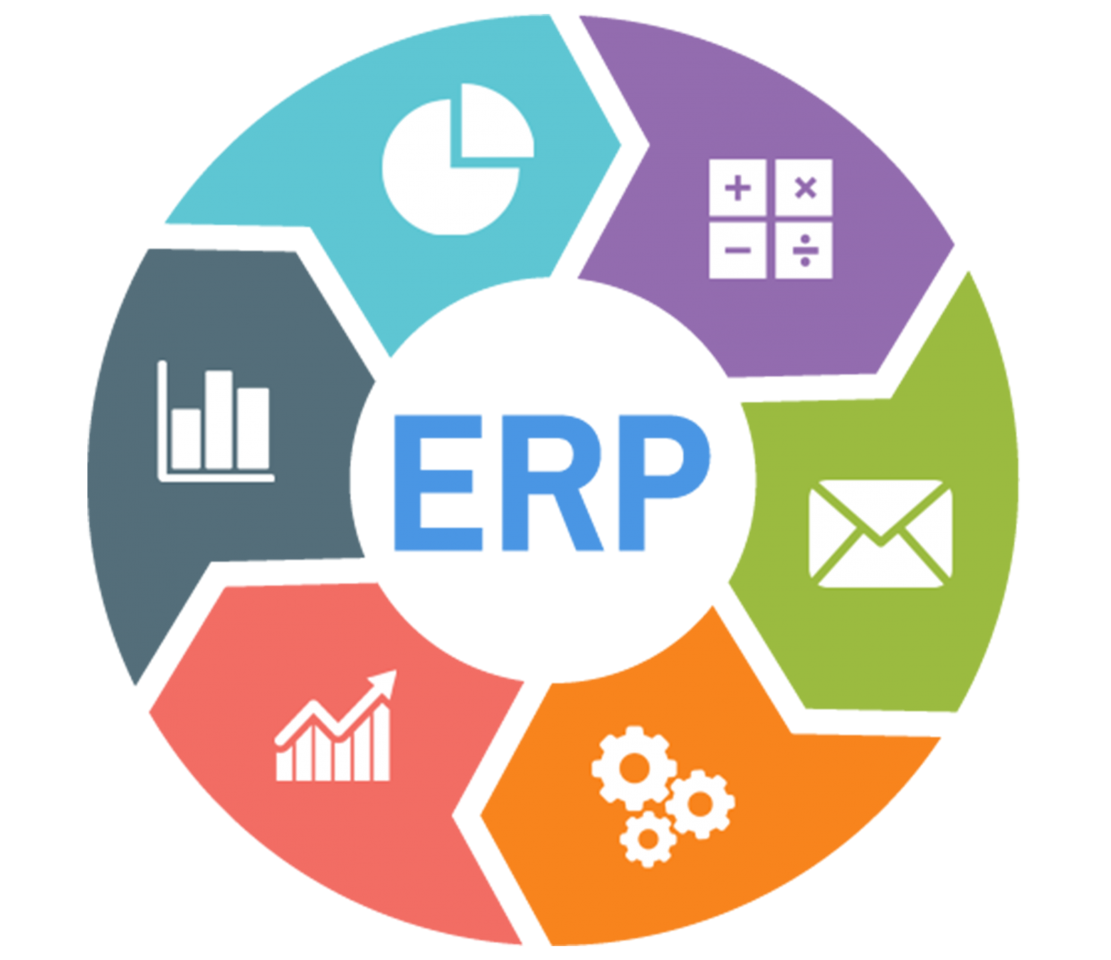
ERPNext integrates multiple departments within a single system.
This centralized architecture reduces the risks associated with:
- Disconnected software tools
- Data duplication
- Information silos
- Uncontrolled data sharing
With all business data stored in a unified system, organizations gain better visibility and improved control over information.
Increased Operational Efficiency
ERPNext automates business processes across departments, including:
- Finance
- Sales
- Inventory
- Procurement
- Human resources
- Customer relationship management
Automation reduces manual errors while improving productivity and data accuracy.
This allows businesses to focus on growth while maintaining secure and reliable systems.
Scalable Business Growth
As companies expand, their data and operational requirements grow as well.
ERPNext is designed to scale with businesses by supporting:
- Multi-company operations
- Multi-location management
- Large data volumes
- Custom workflows
This ensures that security and operational performance remain strong even as organizations grow.
Implementing ERPNext for Data Security
Adopting ERPNext successfully requires a well-planned implementation strategy.
Here are the key steps businesses typically follow.
Step 1 – Assess Business Requirements
Organizations must first evaluate:
- Current data management systems
- Security vulnerabilities
- Operational workflows
- Compliance requirements
This helps identify how ERPNext can address existing challenges.
Step 2 – System Configuration and Customization
Next, the ERPNext platform is configured based on the company’s operational structure.
This includes:
- User roles and access permissions
- Security protocols
- Workflow automation
- Data migration from existing systems
Customization ensures the system aligns with specific business requirements.
Step 3 – Employee Training
Employees play a critical role in maintaining data security.
Proper training ensures teams understand:
- System usage
- Data protection policies
- Security best practices
- Access control responsibilities
Educated users significantly reduce operational risks.
Step 4 – Continuous Monitoring and Optimization
After implementation, organizations must regularly monitor system performance and security.
ERPNext allows businesses to:
- Review audit logs
- Update security configurations
- Apply system updates
- Strengthen internal policies
Continuous monitoring ensures long-term system reliability.
FAQs
1. What makes ERPNext secure for businesses?
ERPNext includes multiple security features such as role-based access control, data encryption, audit logs, and two-factor authentication. These features help protect sensitive business information and prevent unauthorized access.
2. How does ERPNext support regulatory compliance?
ERPNext provides structured data management, detailed audit trails, and transparent reporting capabilities. These tools help organizations maintain proper documentation and meet regulatory requirements.
3. Can ERPNext be customized for specific business needs?
Yes. ERPNext is highly customizable. Businesses can configure user roles, access permissions, workflows, and system modules according to their operational requirements.
4. Is ERPNext suitable for growing businesses?
Absolutely. ERPNext is designed to scale with business growth. It supports multi-company management, large data volumes, and flexible workflows, making it ideal for expanding organizations.
5. Does ERPNext support secure cloud deployment?
Yes. ERPNext can be deployed on secure cloud infrastructure or on-premise servers, depending on the organization’s preferences and security policies.
Conclusion
As businesses become increasingly data-driven, protecting sensitive information has become a top priority. Cyber threats, regulatory requirements, and operational complexities make it essential for organizations to adopt secure and reliable systems.
ERPNext provides a powerful solution by combining advanced security features with intelligent business management tools. With capabilities such as role-based access control, data encryption, audit trails, and flexible deployment options, ERPNext enables organizations to transform data risks into smart security strategies.
For businesses looking to strengthen their digital infrastructure and safeguard valuable information, ERPNext offers a future-ready platform that supports both operational efficiency and data protection.
Companies seeking expert guidance and implementation support can rely on Kepler Tech LLC, one of the leading business solution providers in Dubai and across the UAE, to help them leverage ERPNext effectively for secure and scalable business growth.